
Futuristic social commentary by P.D. James.
 I just finished The Children of Men by P.D. James. James, who normally writes mysteries featuring her series detective, Adam Dalgliesh, wrote instead of a futuristic world 25 years after the birth of the last-born child. In the world of this book, there are no children, no babies, and no hope for new human life.
James paints a sad picture of that world. Schools are converted into housing for the elderly, colleges now teach courses of interest to adults who don’t have their time occupied by their offspring. Playgrounds are gone. The government is trying to centralize the population in big cities so it’s easier to provide services as the population dwindles and only a handful of elderly people are left.
[This might sound weird, but it reminded me a bit of the retirement town I live in. Of course, there are some children and young people here, but the majority of residents and voters are retired so there isn’t much emphasis on things that would benefit young people. The local school board, for example, was unable to pass a school bond in the most recent vote — people don’t want to foot the bill for education when they don’t have kids in the system. The local Center for the Arts released its 2007/2008 schedule last month, and for the first time since opening about 5 years ago, there isn’t a single family-oriented program on the schedule. Are they giving up on children here in Wickenburg?]
The book has a hero: 50-year-old Theo. Theo is first cousin of the Warden of England, Xan, a self-made dictator first elected as Prime Minister years ago. Xan makes extreme decisions that benefit the apathetic public, by enhancing safety and reducing the cost and bother of supporting the aging population. But a handful of people aren’t happy with his decisions and want to stop him. They go to Theo, hoping he can convince Xan to change things. To say much more would be a spoiler, but I will mention that there appears to be hope for the world when a woman becomes pregnant.


I enjoyed the book’s fast pace after its initially slow start. A lot of background information was presented in the form of Theo’s personal diary before a third person narrator stepped in and picked up the story. It wasn’t a long book — I read it over a weekend — and the pages turned quickly. Now I’m waiting for the movie based on the book to appear in a Netflix envelope in my mailbox. I have a feeling that the movie will be a lot more exciting than the book, focusing on the events that occur after the pregnancy is discovered, Hollywoodized for maximum visual impact.
Did I like the book? Yes, I did. It made me think. And in today’s world of eye candy entertainment, that’s saying a lot.
 Mike took a series of photos of our departure and return, including this one. Can you see the smile on my passenger’s face? Is he a happy guy, or what?
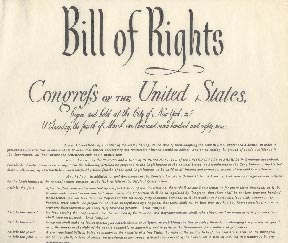 Recently, I’ve wanted a copy of the Bill of Rights to carry around with me. (Really!) So today I put together an eBook file with that content. I loaded it onto my Treo so I can consult it at any time.
 Today’s topic is Twitter fluff. That’s my term for the kinds of tweets that are downright boring and childish, written by people who should know better. The sole purpose of these tweets seems to be to fill the Twitter world with content. Trouble is, the quality of that content is about equal to the quality of the stuff that accumulates in a clothes dryer’s lint screen.