And why they’re were password protected.
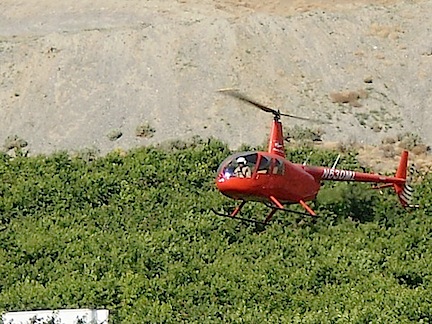 A few weeks ago, it came to my attention that this blog was the primary source of information about cherry drying by helicopter. Every day, pilots who wanted to learn more about cherry drying were stopping in to read up.
Normally, I’d be pleased. But I also began to realize that these same pilots were using the information I provided to compete with me for cherry drying work.
That would simply not do.
The truth of the matter is, there simply isn’t enough work to go around. Every year, I struggle to get my contracts together and signed and then struggle some more to get my standby pay. Other pilots I know who have been doing this work far longer than I have go through the same process. None of us can afford to have competition for what little work is out there.
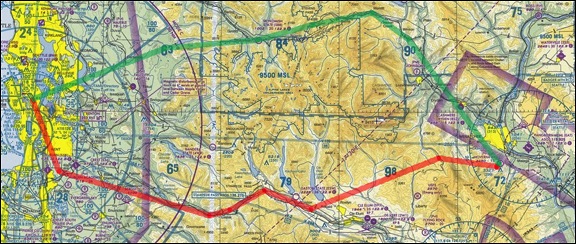
In my case, it’s particularly tough. I travel from Arizona to Washington and back at considerable cost. This year, I made the trip with only one contract signed. If I hadn’t been able to secure other work, I would have taken a heavy loss.
In this tough economy, I depend on this work to keep my business afloat. Without it, I’d likely have to sell the helicopter. Right now, there simply isn’t enough tour and charter work out there to cover the cost of my fixed expenses, such as insurance, annual maintenance, and hangaring.
So I’ve password-protected the posts, making them inaccessible to most visitors. I’ll likely remove the password once my friends and I stop doing this work.
August 2013 Update: Since writing this blog post, I’ve moved to Washington state. I’m very secure in my cherry drying work with great clients that I serve faithfully year after year. Indeed, I’ve built the kind of relationships with my clients that I’m proud of. I have so much work during the busiest part of the season that I’m actively looking for other helicopter pilots with their own helicopters to work with me. If you’re an owner/operator with an R44 helicopter, at least 500 hours helicopter experience, and a month or so free every summer and you want to get started in this work, visit the Help Wanted page on Flying M Air’s website to learn more about opportunities.
The rest of this post still applies.
Some Important Things to Know about Cherry Drying
I do need to say a few things about cherry drying for the folks looking for information.
- Cherry drying requires a helicopter. If you don’t have a helicopter, you cannot dry cherries. Any company that has helicopters for this kind of work already has pilots. Inexperienced pilots cannot expect to be hired for this kind of work by a company that already has helicopters and pilots.
- Cherry drying is not a good way to build time. I got less than 20 hours of drying time this summer. I got around 5 hours each of the previous two years. Do you really want to blow a whole summer sitting around in farm country waiting for it to rain just to get 5 to 20 hours of flight time?
- Cherry drying is not for low-time pilots. When you work, you’re hovering 5 feet over treetops, sometimes in very windy conditions. That means tailwinds and crosswinds and LTE. There’s a lot of dancing on the pedals. There’s a real need to know the helicopter you’re flying.
- Cherry drying is dangerous. All operations are inside the deadman’s curve. If you have an engine problem, you will crash. Read these accident reports to get a better idea of what can happen: SEA05CA122, SEA04LA102, LAX02LA169, SEA00LA101, SEA00LA103, WPR09LA371, and WPR11CA146
I know a lot of helicopter pilots — especially low-time helicopter pilots — out there are desperate for work. If you’re one of them, I can assure you that cherry drying isn’t the solution you’re looking for.