Lamb, Eggplant, and Tomatoes Ras el Hanout

A made up recipe that came out better than I expected.

Another evening, another dinner guest. This time of year, I have to invite people I can send home with zucchini.

Of course, I’m also growing eggplant, which I really like, and have a bunch of that to eat. After browsing Whole30 recipes for eggplant, I decided to try something completely different, something that used up garden vegetables and some of the ground lamb I had in my freezer from the half lamb I bought last year.

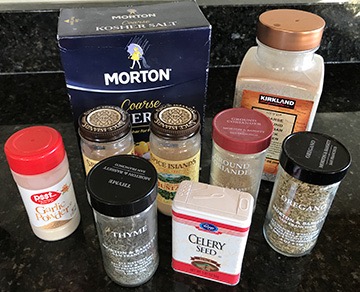
I also had a seasoning I’d whipped up for goat (which I also have in my freezer) that I knew would be great with the lamb. Called ras el hanout, I found the recipe on the Amazing Ribs website when I was looking for something interesting to season goat ribs. I made it exactly as written, including the culeb berries, which I tracked down online at Spice Jungle. The result is mind-bogglingly aromatic, reminding me of the middle eastern food I used to eat at my wasband’s Aunt Rose’s house or the Persian Room in Scottsdale.

So I made up this recipe. It’s Whole30 compliant, but what’s more important is that it’s delicious. And that’s what really matters, right?

Ingredients:

  • 2 medium to large eggplants or 4 medium Japanese eggplants.
  • olive oil
  • 1 pound ground lamb or goat. (I used lamb.)
  • 2 cloves of garlic, minced
  • 2 tablespoons ras el hanout
  • 1 medium onion, chopped.
  • 1 large or 2 medium tomatoes, chopped
  • 1/2 can tomato paste
  • salt and pepper to taste

Since this recipe is made up, the measurements aren’t precise and don’t need to be. Use more or less of any ingredient to suit your taste. I think it’s the combination of ingredients that make it good.

Instructions:

  1. Prep the eggplant:
    • Cut half the eggplants lengthwise and, using a paring knife, carve away about half the flesh, leaving the skin and a layer of flesh. Brush the flesh with olive oil, place on a baking sheet, and bake in a 350°F oven until flesh is cooked. Remove and set aside.
    • For the other half of the eggplants, pare away the skin and chop the flesh, as well as the flesh carved out of the other eggplant, into small pieces.
  2. Cook the lamb (or goat), onions, garlic, and ras el hanout together in a large skillet. You shouldn’t need to add any oil; the meat will be fatty enough. In fact, you can probably drain away some of the fat once the lamb is brown and the onions are just starting to get translucent.
  3. Add the chopped eggplant and tomatoes.
  4. Simmer until the eggplant is cooked.
  5. Stir in the tomato paste.
  6. Simmer another 10 minutes or so, stirring occasionally.
  7. Spoon the lamb, eggplant, and tomato mixture into the prepared eggplant skins. (You may have some leftover.)
  8. Return the stuffed eggplant skins to the oven and bake for another 10-15 minutes, until well heated.
  9. Remove from oven, season with salt and pepper, and serve.

I don’t have a picture. I’ll take one the next time I make this, which actually might be soon. I was thinking of trying it again with goat meat. I sure have enough eggplant and tomatoes in my garden.

You can skip the stuffed eggplant part — in other words, serve the dish on its own, with a salad, or with rice. The other day, I made scrambled eggs and topped them with reheated leftovers. Delicious!

If you make this, please come back and let me know how you liked it.

One-Pan Pork Tenderloin with Tequila

An easy recipe with Whole30 in mind.

With the summer dragging on and lots of work to do around my house and property in preparation for my first glamping guests, I’m still making time to entertain, inviting friends up for dinner a few times a week. But rather than chain myself to the kitchen for hours preparing a complex meal, I’m keeping it simple. Yesterday, I looked up one of my favorite recipes, a one-pan dinner combining meat and vegetables that can be prepared and cooked in less than an hour: pork tenderloin with tequila.

Jose CuervoNow I know what you’re saying. Tequila is alcohol and alcohol is verboten in Whole30, which I started last week. And you’re right. But I can make a two-part argument for why I could include it in this recipe:

Still, if you feel strongly that alcohol should not be included in any Whole30 recipe despite these two points, just exclude it when you prepare this. Then let us know how it came out. I bet it’s still good.

Now here’s the recipe:

Ingredients:

  • 1/4 cup mustard. If you’re going Whole30 on this, check the label and make sure it doesn’t include sugar. Many do. I recommend Guldens, which does not.
  • 2 pounds pork tenderloin. Don’t get hung up on weight. Just buy a package of pork tenderloin. There are usually two in a pack. Use both of them.
  • 1/4 cup oil. The original recipe called for vegetable oil. I used light olive oil.
  • 2 cloves garlic, peeled and halved.

  • 1/4 cup chopped carrot. I’m not big on measuring so I just peeled and cut one carrot. Done.
  • 1/4 cup celery. Read what I said about the carrot above. One stalk.
  • 1/4 cup lime juice. Again, I’m not interested in measuring or putting away half a lime. I used the juice of one lime.
  • 1/4 cup tequila. I used Jose Cuervo. I still have a ton of it from Arizona. (People here don’t drink tequila like they do in Arizona.)
  • 1 tablespoon ground red chiles. I used chile powder and because I don’t like very spicy food, I used less than a full tablespoon.
  • 1 teaspoon salt.
  • 1/4 teaspoon pepper.
  • 1 teaspoon dried oregano leaves.
  • 1 teaspoon dried thyme leaves.
  • 4 medium tomatoes, chopped. This should equal about four cups. In the past, I’ve made this with canned chopped tomatoes. If you decide to go this route, drain off some of that tomato juice. Otherwise, this will wind up as a soupy (although still tasty) mess.
  • 1 small onion, chopped. I used a medium one. I like onions.
  • 1 bay leaf. I just realized that I forgot this yesterday. Oops.
  • 1/4 cup snipped parsley. I didn’t have any so I didn’t use any.

Yesterday, I also added some chopped up banana peppers from my garden, mostly because I’m trying very hard to use them up. I would have added some chopped zucchini, too, if I’d remembered to.

Instructions:

It can’t get any easier than this:

  1. Spread the mustard over the pork tenderloin.
  2. Heat oil and garlic in a large skillet until hot.
  3. Cook the tenderloin over medium heat in the oil until browned.
  4. Stir in the remaining ingredients except the parsley. (I mixed them all together in a bowl in advance and just poured them in.)
  5. Heat to boiling, then reduce heat to simmer and cover.
  6. Cook until pork is done, about 30 minutes.
  7. Remove bay leaf.
  8. Cut meat into 1-inch slices against the grain and arrange with vegetables on a serving plate with a generous lip. (I used a glass pie plate.)
  9. Sprinkle with parsley, and serve.

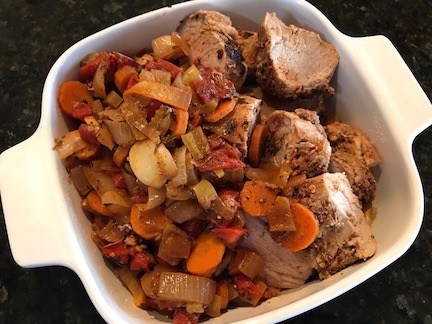
Tequila Pork
Of course, I forgot to take a photo before dinner yesterday. But don’t the leftovers look pretty good?

I prepared all this right in front of my dinner guest. We’d been working on one of my garage projects and came upstairs when we were done. My stove sits on a kitchen island with food prep counter space, a breakfast bar, and seating. While my guest chatted with me, I cooked. It was all very easy and social. (I should mention that I planned my kitchen with the stove in the island instead of the sink just so I could stay social while preparing food. There’s nothing ruder than turning your back on a guest for extended periods of time.)

The result was delicious.

I had a bunch left over and will likely have it for dinner tonight. But I’m also going to heat up some of those vegetables and enjoy them with my scrambled eggs this morning. Yum.

Mango (or Cherry) Salsa

A nice Whole-30 compliant accompaniment for grilled meats or fish.

As I blogged the other day, I started the Whole30 Challenge on Monday. Part of the challenge — in my mind anyway — is preparing interesting foods that distract you from the fact that you’re missing out on favorites like dairy and whole grains.

A friend came over the other night with a nice piece of salmon. I fired up the Traeger, placed the seasoned salmon on a cedar plank, and cooked it outside while we chatted. I’d already prepared some mango salsa to go with it, following a recipe I’d found on the Traeger website. But that recipe called for honey or agave sweetener, which is verboten on Whole30. So I simply omitted it.

Here’s the recipe as I made it:

  • 1 cup mango, diced. I keep frozen mango in my freezer for smoothies and that’s what I used. It’s quick and easy to incorporate into recipes, including my mango chutney.
  • 1/4 onion, finely chopped. The original recipe called for a red onion and I didn’t have one.
  • 1 small jalapeño pepper, minced. The original recipe called for habanero pepper, which I believe is hotter, but I used what I had on hand.
  • Juice of 2 limes. In hindsight, I think I could have done it with just one lime.
  • 1/4 cup fresh cilantro, chopped.

Combine all ingredients. Cover and store in refrigerator until ready to use.

This was excellent on the salmon. It was also good with my egg and onion scramble this morning for breakfast.

Cherry Salsa
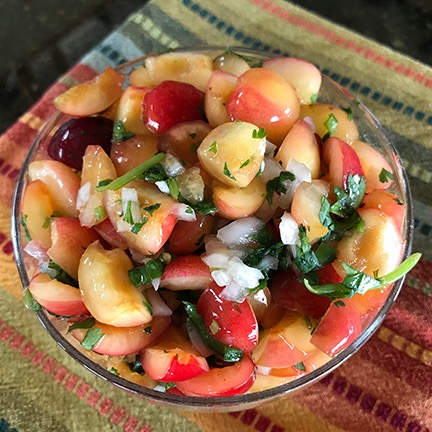
Cherry salsa made with fresh-picked rainier cherries. What could be better with a summer meal?

On Wednesday, I went cherry picking with a friend and brought home about 10 pounds (or more?) of Rainier cherries. The owner of the orchard where I pick often makes cherry salsa. I realized that her recipe was likely very much like the one above, but with cherries instead of mangos. So I made a batch. I’ll eat it with some grilled pork chops for dinner tonight. Yum.

Easy Microwave Yogurt

Quick tips for making yogurt at home.

I’ve been making my own yogurt for nearly five years now. I began in October 2012 using a recipe posted by my friend Tammy on her blog. Since those first few times, I’ve come up with a method that’s quicker and easier.

I’m a multi-tasker. That means I really can’t tolerate standing at the stove to stir a pot of milk while it heats to a certain temperature. So I heat the milk without a stove: in the microwave.

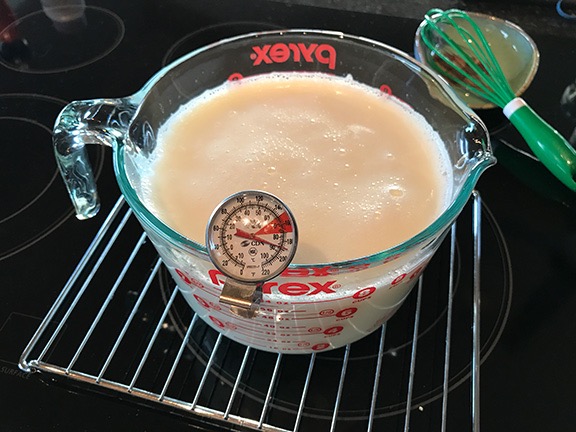
I make a half gallon of yogurt at a time. I have an 8 cup Pyrex measuring cup — which I believe every serious cook should have — and I fill that with the milk. Then I pop it in the microwave, set the timer, and start it up.

Every microwave is different — I can’t stress that enough. I set mine for 14 minutes on high and when I pull the milk out, the temperature is right around 190°F. I didn’t come up with this time by happy accident. It was a lot of incremental zapping and temperature measuring that got me there. If you want to use this technique, you’ll have to do the same thing so you know the magic number for your microwave.

Unless you have a microwave-safe thermometer, do not leave the thermometer in the milk while it’s in the microwave. (But you knew that.)

Of course, the time will vary depending on the quantity of milk. That’s one reason I almost always do a half gallon at a time.

Once the milk has heated to the right temperature, I leave the measuring cup on the countertop, normally on a rack so air can circulate around it. I leave the thermometer in it so I can check the temperature periodically. I stir it once in a while when I remember to. Room temperature will determine how quickly the milk cools.

Microwave Milk Heating for Yogurt
Heating milk in the microwave for yogurt-making is quick and easy.

When it gets to about 120°F, I whisk in about 2-3 tablespoons of unflavored yogurt. I don’t buy yogurt starter, although I do occasionally buy plain yogurt to use as starter. This ensures success, although using my own yogurt for a starter could work, too. (I honestly can’t understand why people will spend several dollars on starter for a batch of yogurt when existing yogurt works fine.) I usually mix up the yogurt with some of the milk before combining everything and whisking to ensure there’s no lumps.

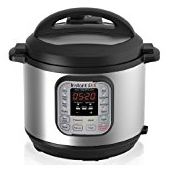
Instant Pot
I love my Instant Pot.

Once that’s done, I pour the milk into four pint-sized canning jars and cap them with plastic caps. I use pint jars because that’s what fits into my Instant Pot, which I use to finish processing the yogurt. If you don’t have an Instant Pot or other yogurt maker, you should consult Tammy’s recipe to see how she uses a regular picnic cooler. That’s the way I used to do it, with quart sized jars, and it works very well. Nowadays, it’s easier to just load it in the Instant Pot than to haul up a cooler, fill it with hot water, and have it sit around for 6-8 hours.

For timing, I’ve discovered that 6 hours is just right, at least in the Instant Pot. If I let it go longer, it gets a sort of slimy consistency that I really don’t like.

Once the yogurt is done, I usually put the jars in the fridge to chill them. That gives me yogurt ready for smoothies.

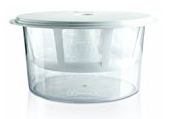
Euro Cuisine Greek Yogurt Maker
The Euro Cuisine Greek Yogurt Maker is another handy gadget for yogurt or cheese makers.

But if I want Greek yogurt, I go one step further and put it into a yogurt strainer. I love the one I have, the Euro Cuisine GY50, which I also use for making certain fresh cheeses. (It’s reusable so it’s a a lot cheaper and neater than dealing with cheesecloth. Mine’s plastic, but a stainless steel version is also available.) I can fit a quart of yogurt in it and let it drain in the fridge for as long as I like. The whey collects in the bowl at the bottom. After straining out the whey, you’re left with about half the amount of yogurt you started with. So a quart of regular yogurt yields about a pint of Greek yogurt.

Lately, I’ve been straining all the yogurt I make and saving some of the whey in the fridge. Then I can use the Greek yogurt in my smoothies but add back whey to thin out the mix without adding juice or milk. If I have a lot of whey I put the excess in my chickens’ water, supplementing their diet with calcium and protein to help them make stronger eggshells.

In the past, people have asked me when I add the flavor. What flavor? I like my yogurt plain. But if you want flavor, mix in some jam or preserve when you’re ready to eat it. I like mine with granola for a good crunch.

Those are my homemade yogurt tips. If you use any of them or have your own to share, please do use the comments to let us know.

Getting a Closer Connection to My Food

Gardening, foraging, gleaning, making things from scratch.

Frittata
This morning’s breakast: a frittata with home grown onions and broccoli, homemade cheese, and eggs from my neighbor’s chickens.

This morning, for breakfast, I had a frittata I made with onions and broccoli from my garden, eggs from my neighbor’s chickens, and Chaource cheese I made myself three weeks ago. (The only reason the eggs came from neighbors is because my 17 chickens aren’t laying yet.) I could have added chanterelle or gypsy mushrooms I foraged for and froze last autumn or morel mushrooms I forged for on Friday. (That would have been a waste of the morels.) Or I could have made blueberry muffins from scratch, using blueberries I picked and froze last summer and sweetened with honey from my bees. Or a smoothie made with those same blueberries, two strawberries from my garden (only two are ready right now), and yogurt I made myself.

It’s only recently that I’ve realized how much of my food comes from my own sources or resources. Last night, I made a batch of pickled broccoli stems with more of that garden broccoli and dill from my garden. The tomato sauce and pickled green beans I canned last winter are still forming the basis of pasta meals or snacks and hors d’oeuvres for dinner guests. The cherries I gleaned last summer are still in the fridge in the form of cherry chutney that goes very well with roast or grilled pork, turkey, or chicken. I’ve got five kinds of homemade cheese in various stages of ripening in my wine-fridge-turned-cheese-cave or refrigerator. I’ve got mead made from honey from my bees fermenting in my pantry closet. In my garden, the broccoli and onions are ready for harvest and I pick them right before I eat them. Soon I’ll also have tomatoes, peppers, green beans, brussels sprouts, cucumbers, corn, melons, zucchini, and potatoes, not to mention marion berries, ligon berries, and black-capped raspberries. And it I get back into the forest for a hike at just the right time, I can pick thimbleberries right off the bushes.

Chickens Eat Weeds
My chickens love to eat weeds. They’ll be making eggs in about 2-3 months.

I’ve discovered that I can turn weeds into eggs by feeding them to chickens and coffee filters into vegetables by composting them into a rich garden soil.

I spent literally hours traipsing through forest floors tangled with the debris of fires a year or more ago, looking for the morel mushrooms only found this time of year. Although I found a few — enough for a small side dish or pizza topping — I was competing with people who had a lot more experience than me and consider myself lucky to find ones they obviously missed.

It also takes a long time and makes a big kitchen mess to make cheese from scratch.

And gleaning cherries after harvest? Do you know how frustrating it is to see a perfect one just out of reach up in a tree and not be able to close your fingers around its stem?

Which is why people ask me why I bother. Why not just go to the supermarket and buy whatever’s there?

The only thing I can come up with is the feeling of satisfaction I get from knowing where my food comes from or what’s in it, and having a very active role in obtaining it, putting it on the table, and serving it to my guests.

Foraging for mushrooms, which I hope to blog about later in the week, is especially rewarding. When I say I spent hours searching, I’m not exaggerating. I went out into three different forest areas on four different days and came back with just five mushrooms, one of which is tiny. Yet the excitement I felt when I saw the biggest one cannot be overstated.

There’s something about having this closer connection to my food that I really like.

Next spring’s challenge: tracking down the wild asparagus that supposedly grows in the Chelan area.

What do you think? How involved are you in obtaining and preparing the food you eat?