
It has to be just right.
I start each morning with a cup of coffee. That’s not unusual in the United States. Coffee is a pretty standard breakfast beverage. It’s why we drink coffee and the kind of coffee we drink that varies from person to person.
And my morning cup is special.
First of all, I don’t drink coffee because I rely on that jolt of caffeine to jump start my day. If all I wanted was caffeine, I’d get it from a double espresso at the local Starbucks or allow myself to become addicted to one of those idiotic “energy drinks” that young guys like to get hopped up on.
Instead, I drink coffee because I actually like coffee. I like the flavor. I like the aroma. I like the way it feels going down my throat when it’s just the right temperature: good and hot.
The trouble is, I don’t like just any old coffee. I like a certain kind of coffee the way I like it made.
And that’s the rub.
The Ingredients
Coffee ingredients are very basic, right? Well, to many folks, they are. But to someone as picky as me about coffee, they’re special.
- Coffee. This is the main ingredient in a cup of coffee and, for me, it needs to meet several requirements:
- Freshness. I buy coffee beans so I can grind them myself at home. The beans never come out of a hopper in a supermarket, where they may have been sitting for who knows how long. They always come in a vacuum-sealed package.
- Bean type. This is where I differ from many self-proclaimed coffee connoisseurs. I don’t like Columbian coffee. To be fair, it may be the way it’s normally roasted: dark. I prefer Arabica beans with a light to medium roast. I also like Kona from Hawaii. These are smooth, mellow beans, roasted in a way where the roasting process doesn’t impart a bitter or burnt taste.
- Roast. As mentioned, light to medium roast is my preference. Dark roast coffee tastes bitter or burnt to me. This is my big gripe against Starbucks and other “high end” coffee shops.
-
 Brand. The brand of coffee isn’t nearly as important to me as the other criteria. These days, my coffee of choice is Eight O’Clock coffee. I tend to buy it in bulk — 4 to 6 12-oz bags at a time — when it’s on sale at the local Supermarket. I store the unopened (very important) bags in the freezer. (They say that freezing coffee doesn’t do anything to maintain its freshness, but I do it anyway, just in case.) I’ll also buy any brand of light to medium roast pure Kona (not a “blend” — whatever the hell that means) and, in a pinch, Starbucks Breakfast Blend. I should mention here that a recent “coffee snob” house guest turned her nose up at my coffee choice and would make a special trip to Starbucks every morning for her cup. I guess if you’re not spending at least $1/ounce for coffee, you just can’t make some people happy.
 - Caffeine content. I drink caffeinated coffee. While I’m not in it just to get the caffeine, I don’t see any reason to drink coffee that has been tampered with in a lab to remove a naturally occurring ingredient. The resulting buzz I get if I drink two cups of coffee is what keeps me from drinking a third.
- Water. I’m fortunate enough to live in a home with excellent and tasty well water. When I’m at our Phoenix place, however, I will use the tap water, which tastes like chlorine to me. The way I brew my coffee, the taste of the water is usually not a factor.
- Milk. Yes, I put a small amount — about 1-1/2 tablespoons, if you were to measure — of milk in my coffee. Not cream, not half and half, and certainly not some powered crap with ingredients I can’t pronounce. I prefer 2% milk but can use 1% or whole milk. Skim milk is pushing things a bit.
- Sugar. I also put about 1/2 teaspoon of sugar in my coffee. I like plain granulated sugar or evaporated cane juice sugar (often touted as “organic”). I don’t like Sugar in the Raw, a popular product that has a distinct molasses flavor. Ick. I also won’t use artificial sweeteners. There are 16 calories in a teaspoon of sugar and I’m using only half of that. Surely I can put another 8 calories into my body each day?
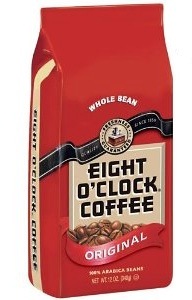 Brand. The brand of coffee isn’t nearly as important to me as the other criteria. These days, my coffee of choice is
 The Daily Grind
Before I got a decent grinder, I’d buy one or two bags of coffee at a time and grind them using the supermarket’s grinder. It was important to shake out any trace of the hopper coffee that the previous user might have left in the machine. I once ruined a package of coffee by letting it mingle with what some flavored crap.
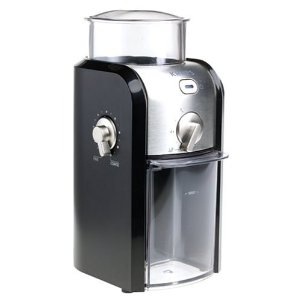 But now I have a nice Krups Burr grinder which I like. It got mixed reviews on Amazon.com and I do agree with some of the points brought up by negative reviewers — for example, it can be a bit messy — but, in general it’s perfectly suited to my needs.
Almost perfectly. The least coffee it’ll grind is for two cups — even though the setting says it’s for one cup. But that’s okay. I usually do drink two cups of coffee a day. If I don’t drink the second cup, I don’t mind using coffee ground the day before. I’m not that picky.
I grind my coffee more finely than what’s recommended for drip coffee makers. Not quite an espresso grind, but certainly more fine than a basket or cone drip. That could be why the darn grinder gets messy.
The Coffee Preparation Device
A year or three ago, the big chatter on Twitter was about an $11,000 coffee maker. It brewed one cup at a time. At least they got that part right.
 My coffee maker of choice is a Black & Decker Brew ‘N Go. Designed for people who want to grab their cup of coffee as they head out the door on their morning commute, it comes with an insulated thermal plastic travel mug. I don’t use the mug unless I’m heading out to the car, too. I use a large ceramic coffee mug. It probably holds about 14 ounces.
I don’t use the reusable “gold” filter that came with the coffee pot. Because I prefer my coffee ground finely, the coffee grinds make their way though those gold filters and get in my cup. So I use #2 cone filters in the filter basket of the machine. I’m not picky about brand or paper bleaching. (Sheesh.) Because I go through so many of these things, I like to buy them cheap. I’ve actually found them very cheap in the coffee maker area of WalMart. So on the rare occasion that I’m in there, I stock up. And yes, when I’m at home, I compost the filters and coffee after brewing.
The Brewing Process
To brew a cup of coffee, I go through this routine.
- Fill a coffee cup with cold water and pour it into the coffee maker’s well.
- Refill the coffee cup with hot water to prewarm the cup. If I can’t get hot water from the tap right away, 2 minutes in the microwave warms whatever water I can get.
- Put a clean coffee filter in the filter holder.
- If necessary, grind enough coffee for a cup.
- Using a measuring spoon, measure out enough coffee for that size cup.
- Tamp the coffee down into the filter paper and close the lid.
- Dump the hot water out of the cup and put it on the coffee machine’s cup shelf.
- Push the button.
What comes out about 2 minutes later is a steaming hot, fresh cup of very strong coffee. This is what I like.
The Coffee I Don’t Like
I don’t like bad coffee and won’t drink it. What’s bad coffee? This:
- Weak coffee. If I can see my spoon while I’m stirring, it’s too weak for me.
- Coffee brewed from inferior ingredients. Yeah, I know the 3-pound plastic tub of Savarin was on sale at Costco last month. But don’t think I’m going to drink it.
- Coffee that has sat in a pot on a warmer for more than 10 minutes. Yes, just 10 minutes. I have experimented with this at home using our bigger coffee maker. I’ll use that to make enough coffee for a group of people and the first cup is usually fine for me. But the second cup from the same pot ten minutes later? Keep it.
- Columbian or dark roasted (or both) coffee. If it’s brewed right and fresh, I can drink it. But it’s normally not brewed strong enough or not fresh enough for me.
- Most restaurant coffee. It usually falls into one or more of the above categories. Occasionally, you’ll get a good cup of coffee at a good restaurant, but I won’t even consider ordering coffee at a diner or cheap restaurant.
- Flavored coffee. Are you serious?
- Instant coffee. I stopped drinking instant coffee about 20 years ago and have seen no real reason to go back. And no, the new Starbucks instant coffee does not impress me. At all.
I prefer to drink no coffee than any of the above. In fact, I have. If I’m traveling and need a hot beverage and can’t track down a place to get a latte — freshly brewed, with enough milk to cut the bitterness of the dark roast — I’ll order tea. Or iced tea. Or juice.
Picky, yes. Snobbish? I don’t think so. If I were snobbish about my coffee, I’d buy expensive coffee, brew it in some fancy gadget, and turn my nose up at everything else. Instead, I buy relatively cheap coffee and brew it in a cheap machine the way I like it: hot, strong, and fresh.
What’s in your cup?
 Instructions:
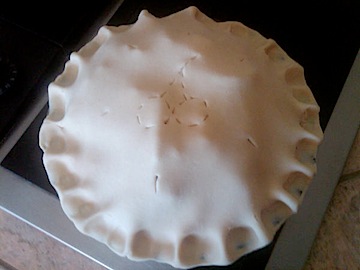 Cover the pie with another sheet of pastry dough. Crimp the edges and cut vents in the top. (I usually cut in a pattern or design; I did cherries this time in honor of the apple sender.)
 Today, I made sugar cookies in the shape of helicopters for my
 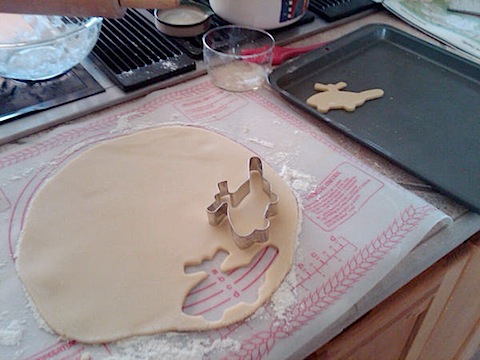 Roll batter out to 1/4 inch thickness on floured board.
 1 head of